Review: Beautiful FSL Applique Mug Rug for Makers
As a designer who spends more time analyzing stitch paths than most people spend drinking their morning coffee, I approach every new machine embroidery design with a mix of curiosity and skepticism. We have all been there: you download a file that looks stunning in the preview, only to find it puckers the fabric or requires impossible precision during assembly. Today, I am taking a close look at the Beautiful FSL Applique Mug Rug, not just as a digital asset, but as a functional component for real-world craft businesses and handmade products.
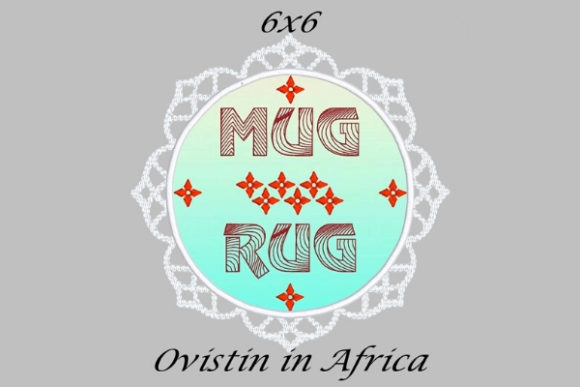
The first impression of this design is one of structured elegance. It does not scream for attention with chaotic density; instead, it relies on clean lines and the sophisticated interplay between Free Standing Lace (FSL) and traditional applique. For an Etsy seller or a boutique owner, this balance is crucial. It suggests quality without appearing overly complicated to produce at scale. The mood it creates is cozy yet refined, making it an ideal candidate for high-end personalized gift markets rather than quick-turnaround discount items.
Real-World Application and Versatility
Let us move beyond the screen and into the studio. Imagine you are preparing a custom order for a local coffee shop looking for branded merchandise, or perhaps you are curating a holiday collection for your small shop product line. This mug rug is not just a coaster; it is a tactile experience. The description highlights a batting inlay for heat resistance and a satin lining at the back. From a reviewer’s perspective, this is where the design earns its keep. Many amateur designs neglect the backing, leaving raw edges or uncomfortable seams. The inclusion of a satin lining indicates a professional finish that customers will notice immediately when they pick up the finished product.
While the primary category is Sewing and Embroidery, the utility here extends to broader craft business applications. You could bundle these as part of a "Morning Routine" gift set alongside a handmade tote bag or a personalized apron. Because it uses the In-The-Hoop (ITH) method, it minimizes post-production labor. For a commercial embroidery project, time is money. Reducing the need for manual trimming and finishing allows you to maintain higher profit margins while delivering a premium item.
Technical Performance and Stitching Clarity
When evaluating an embroidery file, I always look at how the different stitch types interact. This design utilizes an FSL edge, which requires precise tension and high-quality thread. The applique centre likely relies on a combination of running stitch for placement and satin stitch or fill stitch for coverage. In my assessment, the visual appeal hinges on the contrast between the delicate lace edge and the solid applique center. If the stitch density is too high in the lace areas, the design becomes stiff and loses its charm. If it is too low, it lacks durability.
For those using this in custom apparel or accessory lines, note that the 6x6 hoop size requirement is quite standard, making it accessible for most mid-range home machines. However, the ITH method demands accuracy. You must ensure your machine’s alignment is perfect. A slight shift can ruin the symmetry of the FSL edge, which is unforgiving compared to standard fabric embroidery. I recommend testing the design on scrap fabric first, specifically using the same type of stabilizer you intend to use for production. Water-soluble stabilizer is typically essential for FSL work to ensure no residue remains in the intricate loops.
Material Considerations and Fabric Texture
One aspect often overlooked in digital product reviews is fabric compatibility. While this is an ITH project, the choice of fabric for the applique center and the lining matters immensely. A heavy fabric texture like denim or canvas might overwhelm the delicate FSL edge, whereas a lightweight cotton voile could get lost in the batting. I suggest using medium-weight quilting cottons or linen blends for the applique to maintain a crisp look. For the satin lining, ensure it is smooth and free of static, as this will be the surface that touches the table or the user’s hand.
If you are considering adapting this concept for other design assets, such as a patch or a decorative accent on a tote bag design, be cautious. The FSL element is fragile compared to standard embroidered patches. It is best suited for items that will not undergo rigorous washing or abrasion. This makes it perfect for holiday embroidery gifts, wedding favors, or nursery decor, but perhaps less ideal for a child’s backpack that will be dragged across the playground.
Commercial Viability and Brand Consistency
For digital embroidery file sellers and handmade product creators, consistency is key to building trust. This design offers a level of professionalism that elevates brand perception. When a customer receives a mug rug with a clean satin back and a sturdy batting core, they perceive value. It signals that the maker cares about the details. This attention to detail can justify a higher price point in your Etsy listings or craft fair displays.
Moreover, the tutorial included with the design is a significant asset. Many designers provide files without adequate guidance, leading to frustrated customers and negative reviews. A clear tutorial reduces support queries and ensures that even novice makers can achieve a professional result. This supports the longevity of your craft business by fostering a community of successful users who may return for more complex embroidery projects.
Practical Designer Notes
Before committing to a large production run or listing this as a key item in your store, consider these practical steps:
- Check Thread Color Contrast: Ensure your thread colors complement both the applique fabric and the FSL thread. High contrast can highlight imperfections, while monochromatic schemes can hide them but may lack visual pop.
- Inspect Small Details: Zoom in on the digitizing preview. Look for unnecessary jumps or dense clusters that might cause needle breaks.
- Test on Dark and Light Fabrics: See how the design reads against different backgrounds. Some FSL designs lose definition on dark fabrics if the thread color is not carefully chosen.
- Confirm Licensing: Always verify whether the license allows for commercial sales of finished items. Most designers do, but it is critical to confirm before selling small shop products.
- Use Proper Stabilizer: Do not skimp on stabilizer quality. For FSL, a heavy-duty water-soluble film is non-negotiable for clean removal.
In conclusion, the Beautiful FSL Applique Mug Rug is a well-conceived design that bridges the gap between decorative art and functional utility. It respects the maker’s time through its ITH construction while delivering a high-end finish that appeals to discerning buyers. For those in the Sewing and Embroidery space looking to expand their product line with items that feel luxurious and thoughtful, this design warrants a spot in your library. Just remember to respect the technical requirements of FSL, and you will find it to be a reliable and profitable addition to your portfolio.