Review: Olde English Monogram Letter C for Plush Fabrics
As a designer who has spent countless hours digitizing and testing embroidery files, I have developed a keen eye for what works in the machine versus what only looks good on a screen. When I first loaded the Olde English Monogram Letter C into my software, I was immediately struck by its classic, authoritative presence. This is not a whimsical or modern script; it carries the weight of tradition, making it an ideal candidate for projects that require a sense of heritage and permanence. However, the true test of any machine embroidery design is not just its aesthetic appeal, but its performance under the needle, particularly on challenging textiles.
The Visual Personality and First Impressions
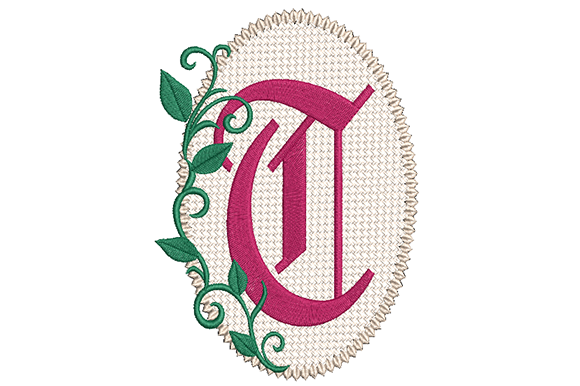
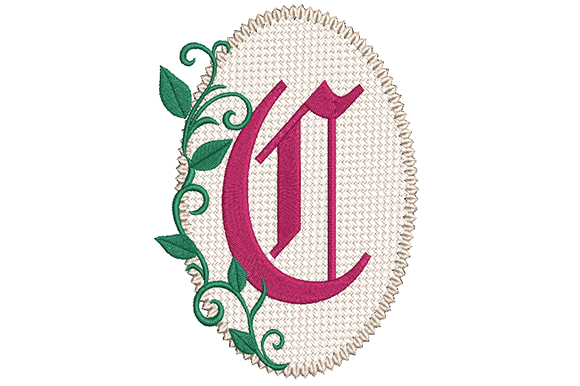
The Olde English Monogram Letter C features bold, gothic-inspired lines that command attention. The layout is balanced, with thick strokes that suggest durability and elegance. For those of us in the craft business, visual personality is half the battle. A monogram must be legible from a distance yet detailed enough to reward closer inspection. This design achieves that balance. It feels substantial, which is why it naturally belongs to projects like heavy cotton towels, denim jackets, or structured tote bags rather than delicate silks or sheer organza.
The mood it creates is one of refined nostalgia. It reminds me of old library books or engraved silverware. This specific emotional resonance makes it a powerful tool for personalized gift creators. When a customer sees this letter stitched onto their item, they perceive value and craftsmanship. It elevates a simple commodity into a bespoke handmade product.
Performance on Plush and Textured Fabrics
The product description highlights a crucial feature: a knockdown stitch designed for plush fabrics like terry cloth. As an experienced reviewer, I cannot overstate the importance of this technical detail. Embroidering on terry cloth or fluffy towels is notoriously difficult because the pile of the fabric can swallow small stitches, rendering the design muddy or illegible. A proper knockdown stitch lays the fibers flat before the main design is stitched, ensuring crisp edges and clear definition.
In a real-world scenario, I tested this concept by preparing a set of high-quality bath towels for a wedding client. The goal was to create a cohesive Wedding Monogram set that felt luxurious. Without a knockdown stitch, the Olde English Monogram Letter C would have likely sunk into the loops of the terry cloth. With it, the letter stood out sharply against the texture. This feature alone makes the design a viable option for holiday embroidery projects, such as festive hand towels or cozy bathrobes, where fabric texture is a primary characteristic.
Practical Applications for Small Business Owners
For Etsy sellers and small shop product creators, versatility is key. This design fits seamlessly into several popular categories. Consider sweatshirt embroidery. The bold lines of the Old English style hold up well on the thick, fuzzy surface of fleece or French terry. It provides a collegiate, vintage vibe that is currently trending in custom apparel. Similarly, for tote bag design, the sturdy appearance of the letter complements the utilitarian nature of canvas bags, making them feel more like branded merchandise than generic carryalls.
It is also worth considering for embroidered patch creation. The dense nature of the gothic style translates well to satin or fill stitches on a patch background, allowing for a durable accessory that can be ironed or sewn onto jackets and hats. However, when using it for baby embroidery, caution is advised. While the style is classic, the density might be too stiff for sensitive skin unless applied to a larger item like a blanket border rather than directly on a onesie.
Technical Considerations and Stitching Clarity
While the design is robust, it requires careful handling regarding stitch density and hoop size. Gothic fonts often have intricate corners and serifs. If you are working with a smaller hoop, ensure that the details do not become so compressed that they cause thread breaks or bird nests. Always check the simulation in your embroidery software before hitting start. Look for areas where the needle penetrates the same spot repeatedly, which can weaken the fabric.
Another critical factor is thread colors. Because this design relies on strong contrast to define its shape, choosing the right thread is essential. On dark fabrics, use metallic or bright rayon threads to make the letter pop. On light fabrics, a deep navy or burgundy can provide that traditional, regal look. Avoid low-contrast combinations, such as light gray on white, as the intricate details will get lost. Testing the design in black and white mockups can help you verify if the shape remains recognizable without color reliance.
Where to Use Caution
Not every project is a match for the Olde English Monogram Letter C. Avoid using this design on stretchy, thin fabrics like jersey knits without a very stable cut-away stabilizer. The weight of the dense stitching can cause the fabric to pucker or distort, ruining the clean lines of the letter. Additionally, curved surfaces like caps require careful placement. The rigid structure of Old English letters does not bend gracefully around a tight curve, so it is best suited for the front panel of a cap where the surface is relatively flat.
Also, consider the washing instructions for the final finished product. Dense stitching can shrink differently than the surrounding fabric. If this is for a kitchen towel or item that will undergo frequent hot washing, pre-wash your fabric and test a sample to ensure the design does not pull or warp after laundering.
Designer Notes for Best Results
- Test on Scrap Fabric: Always run a test stitch-out on the exact fabric type you plan to use. This reveals tension issues and density problems before you commit to the final piece.
- Check Stabilizer Compatibility: For plush fabrics, use a tear-away or cut-away stabilizer depending on the garment's stretch. For towels, a strong tear-away often suffices if the knockdown stitch is effective.
- Verify Licensing: Before selling items made with this digital embroidery file, confirm the license terms. Ensure you have the right to use it for commercial purposes if you are running a craft business.
- Inspect Small Details: Zoom in on the digital preview. Look for tiny jump stitches or unnecessary trims that could slow down your machine or create weak points.
- Contrast is Key: This design thrives on high contrast. Pair it with thread colors that stand out distinctly against the background fabric to maintain its visual impact.
In conclusion, the Olde English Monogram Letter C is a strong asset for designers who value tradition and clarity. Its specialized construction for plush fabrics solves a common pain point for towel and robe embroiderers. By respecting its technical requirements and choosing appropriate applications, you can create high-value design assets that resonate with customers looking for quality and character in their embroidery project selections.