Review: Taiyaki Plush ITH Pattern for Handmade Projects
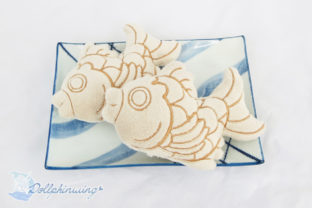
As an embroidery designer who spends countless hours digitizing and testing files, I am always on the lookout for designs that offer both charm and technical reliability. Recently, I came across the Taiyaki Plush ITH Pattern on Creative Fabrica, and it immediately caught my eye. For those unfamiliar with the subject, a Taiyaki is a fish-shaped doughy treat from Japan that can have a variety of fillings such as red bean paste, chocolate, or even ice cream. This specific machine embroidery design promises to bring that sweet, nostalgic aesthetic to life through an In-The-Hoop (ITH) construction method.
I decided to evaluate this embroidery file not just as a digital asset, but as a potential cornerstone for real-world commercial projects. Whether you are an Etsy seller, a small business owner, or a hobbyist looking to create unique handmade gifts, understanding how a design performs in the hoop is crucial. Here is my honest assessment of using the Taiyaki Plush ITH Pattern for actual production.
First Impressions and Visual Appeal
The immediate appeal of this design lies in its whimsical nature. The concept of turning a popular Japanese street food into a plush toy is inherently marketable. Visually, the pattern suggests a high level of decorative appeal, relying on the iconic shape of the fish to convey its identity. For embroidery designers, the "mood" of a design dictates its application. This piece feels warm, playful, and inviting, making it an excellent candidate for items meant to evoke comfort or joy.
The detail level appears balanced for an ITH project. ITH designs require careful planning because the final product is assembled within the embroidery hoop. A successful ITH pattern must account for seam allowances, turning spaces, and stuffing volume. From a preview perspective, this Creative Fabrica embroidery asset seems to respect these constraints, offering a structure that should result in a well-proportioned plush rather than a flat or distorted shape.
Practical Applications for Commercial Embroidery
When considering where to use this design, versatility is key. While the primary output is a plush toy, the aesthetic of the Taiyaki can influence broader product lines. Here is how I envision integrating this motif into a diverse catalog:
- Handmade Gifts and Nursery Decor: The soft, rounded nature of the plush makes it ideal for baby showers or children’s rooms. It serves as a delightful personalized gift when paired with custom name tags or birth details.
- Etsy Listings and Craft Fairs: Unique cultural references often perform well in boutique merchandise. Selling these as standalone plushies or as part of a "foodie" collection can attract niche buyers.
- Custom Apparel and Accessories: While the ITH pattern creates a 3D object, the visual elements can inspire flat applique design versions for tote bag design or sweatshirt embroidery. Imagine a simplified Taiyaki face used as a patch on a denim jacket or a canvas tote.
- Embroidered Patch Production: If adapted correctly, the outline could serve as a fun, textured embroidered patch for caps or backpacks, appealing to fans of kawaii culture.
For creative entrepreneurs, having a digital embroidery file that can spawn multiple product types increases the return on investment. You might use the plush as a premium item while offering simpler embroidered kitchen towels or aprons featuring the same character to capture lower-price-point sales.
Technical Considerations and Stitching Performance
Executing an ITH project requires more precision than standard flat embroidery. When working with the Taiyaki Plush ITH Pattern, there are several technical factors to monitor to ensure a professional finished product.
First, consider the stitch density. Plush fabrics, such as minky or fleece, are thick and can cause puckering if the stitch count is too high. Conversely, if the density is too low, the stuffing may show through. It is essential to check the file details on the product page to understand the intended fabric weight. I recommend running a test stitch on scrap fabric that matches your final material. This allows you to adjust tension and observe how the fill stitch and satin stitch elements interact with the pile of the fabric.
Second, pay attention to the hoop size. ITH patterns often utilize the maximum area of a specific hoop. Ensure your machine can accommodate the required dimensions. If you are using a smaller hoop, verify that the design scales appropriately without compromising the structural integrity of the seams. Curved surfaces, like those found on caps or rounded plushies, require careful handling of the stabilizer. A cut-away stabilizer is generally recommended for plush items to provide lasting support, especially if the item will be handled frequently.
Thread color selection is another critical aspect. To mimic the golden-brown crust of a real Taiyaki, you will need warm browns and tans. However, contrast is vital for definition. Use darker threads for outlines or facial features to ensure they pop against the lighter body of the fish. If you plan to sell these, consistency in thread colors across batches helps maintain brand consistency.
Enhancing Product Value and Buyer Trust
In the world of online selling, presentation is everything. A well-executed Taiyaki Plush ITH Pattern can significantly boost perceived value. High-quality stitching signals craftsmanship, which builds buyer trust. When customers see clean edges, secure seams, and vibrant colors, they are more likely to leave positive reviews and return for future purchases.
Photography plays a huge role here. The three-dimensional nature of the plush offers excellent opportunities for engaging product photography. Stage the Taiyaki alongside real tea sets, books, or other cozy items to create a lifestyle narrative. This approach enhances the giftability of the item, making it easier for customers to visualize it as a present for a loved one.
Furthermore, using this design can help establish a cohesive brand identity. If your shop specializes in cute, food-inspired items, this pattern fits seamlessly into that narrative. Consistent use of such design assets helps customers recognize your style, fostering loyalty and engagement.
Final Recommendations for Embroiderers
Before committing to a large production run, take the time to validate the technical specifications. Since the provided description does not list specific file formats, hoop sizes, or machine compatibility, you must review the product details on the Creative Fabrica page. Confirm that the file type matches your software and machine capabilities. Additionally, double-check the licensing terms to ensure you are compliant when selling commercial embroidery products derived from this design.
Test different thread colors to see what best represents the "delicious" look of the pastry. Experiment with various stuffing materials to find the right firmness. Remember, the goal is to create a plush that is not only visually appealing but also durable and huggable.
In conclusion, the Taiyaki Plush ITH Pattern offers a charming and commercially viable option for embroidery designers. With careful attention to stabilizer choice, fabric selection, and stitch quality, this design can become a standout item in your portfolio. Whether you are creating custom apparel accents or standalone plush toys, this pattern provides a solid foundation for creative expression and business growth. Always prioritize quality control and customer satisfaction to ensure your handmade products stand out in a crowded marketplace.