Review: Unique Twirly Quilt Block and Flower Design
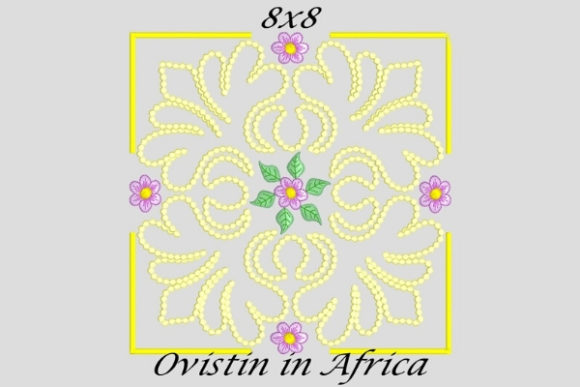
As an embroidery designer who has spent years digitizing files for small businesses, I approach every new machine embroidery design with a critical eye. It is not enough for a pattern to look pretty on a screen; it must perform under the needle, withstand washing, and elevate the brand it represents. Today, I am reviewing the Unique Twirly Quilt Block and Flower, a digital asset that promises versatility for home decor but holds surprising potential for commercial merchandise.
The product description states that this design can make a stunning quilt with pillows to match or be used for any other Home Decor Projects. While this suggests a domestic focus, my experience tells me that geometric floral motifs often translate beautifully into branded assets. For Etsy sellers, boutique owners, and craft entrepreneurs, finding a digital embroidery file that balances whimsy with structure is rare. Let us dissect how this specific design functions in a real-world business context.
First Impressions and Visual Personality
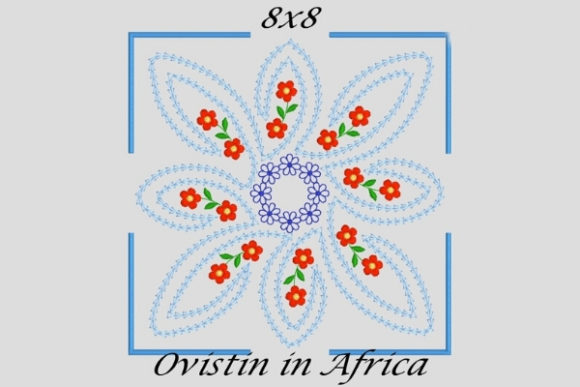
Upon initial inspection, the Unique Twirly Quilt Block and Flower exudes a handmade, rustic charm. The "twirly" aspect implies movement and organic flow, while the "quilt block" reference suggests geometric precision. This duality makes it feel both friendly and professional. It does not scream corporate rigidity, nor does it feel chaotic. Instead, it offers a decorative elegance that fits well within the current trend of artisanal branding.
For a bakery, florist, or creative studio, this visual personality is gold. It signals to customers that the business values craftsmanship and attention to detail. When considering brand identity, this design acts as a softener. It makes a brand feel approachable and warm, which is essential for businesses relying on customer trust and community engagement.
Commercial Applications Beyond Home Decor
While the creator highlights quilts and pillows, I see significant value in applying this motif to small business merch. Here is how I would deploy this design in a commercial setting:
- Embroidered Patches: This is perhaps the strongest use case. The geometric nature of a quilt block lends itself well to patch shapes. A circular or hexagonal patch featuring this design could serve as a distinctive label for handmade products, adding perceived value to the finished product.
- Apron Embroidery: For cafes and bakeries, staff uniforms are walking billboards. Placing this design on the chest pocket or lower corner of an apron adds a touch of artisanal flair without overwhelming the viewer. It reinforces the idea that the food or service is crafted with care.
- Tote Bag Design: Reusable bags are a staple for retail shops. A large-scale version of this flower could serve as the central graphic on a canvas tote, turning a simple bag into a desirable accessory that promotes the brand.
- Cap Embroidery: Used as a side-panel accent or a subtle chest logo on dad hats, the twirly elements can add texture to otherwise plain headwear. However, scale is critical here, as discussed below.
By integrating this embroidery file into these items, businesses create a cohesive visual language. Whether it is on a custom apparel piece or a gift item, the consistency helps with brand recognition.
Technical Considerations for Production
Before running this design on a production machine, there are several technical factors to evaluate. The description does not provide exact stitch counts or hoop sizes, so you must check those details in the source file before committing to a large order.
Stitch Density and Fabric Texture: Quilt block designs often have dense fill areas to mimic the look of fabric patches. If the stitch density is too high, it may cause puckering on lightweight fabrics like t-shirts or thin aprons. Always test on the actual material you intend to use. For textured fabrics, such as canvas totes or denim, ensure the design has enough coverage to stand out against the weave.
Scale and Legibility: The "twirly" details might get lost if the design is scaled down too much. For cap fronts or small chest logos, verify that the intricate lines remain distinct. If the design becomes a blob of thread at smaller sizes, it fails its purpose. I recommend creating a printable mockup at various sizes to visualize the impact before stitching.
Thread Colors and Contrast: This design likely relies on contrast between the block geometry and the flower elements. When adapting it for commercial embroidery, consider your brand palette. Does the design work in monochrome? Testing it in black and white first is a pro tip. If it loses definition without color, you may need to adjust the stitch types or simplify the design for single-color applications, such as uniforms with strict dress codes.
Strategic Placement and Caution Areas
Not every surface is suitable for this type of motif. Curved surfaces, like the front of a structured cap, can distort geometric patterns. The straight lines of the quilt block might appear warped if not digitized with pull compensation in mind. Similarly, avoid placing complex twirly details on areas subject to high friction, such as the cuffs of work shirts, unless reinforced properly.
For items that require frequent industrial washing, such as restaurant uniforms, ensure the stabilizer choice is robust. A cut-away stabilizer is often safer than tear-away for garments that will undergo rigorous cleaning cycles. The integrity of the handmade product depends on its durability.
Enhancing Brand Value Through Design Assets
Using unique designs like the Unique Twirly Quilt Block and Flower sets a business apart from competitors using generic clipart. It shows investment in quality design assets. Customers perceive embroidered items as higher value than printed ones. When a customer receives a tote bag or apron with this intricate stitching, they associate that quality with the brand itself.
This perception boosts customer trust. It suggests that the business cares about aesthetics and longevity. For Etsy sellers, offering items with this exclusive embroidery can justify a higher price point. It transforms a commodity into a collectible.
Final Designer Notes
To maximize the potential of this Sewing and Embroidery asset, follow these steps:
- Verify Licensing: Confirm commercial licensing terms before using it for client work or resale items. The prompt mentions seeing more designs in Creative Fab, so ensure your license covers physical goods for sale.
- Test Hoop Size: Match the design dimensions to your machine’s capabilities. Do not attempt to stretch a small hoop design into a large area without checking resolution.
- Create Mockups: Use digital tools to place the design on photos of your actual merchandise. This helps in marketing and client approval.
- Check Thread Compatibility: Ensure your thread inventory matches the recommended colors or that you have a plan for substitution that maintains contrast.
In conclusion, the Unique Twirly Quilt Block and Flower is more than just a home decor element. With careful technical preparation and strategic placement, it serves as a powerful tool for building a distinctive, artisanal brand identity. Whether used on patches, aprons, or totes, it brings a level of sophistication and warmth that resonates with modern consumers.