Reviewing Taj Mahal Lineart for Branded Merch
As an embroidery designer who has spent years digitizing files for small businesses, I approach every new machine embroidery design with a critical eye. It is not just about whether the image looks pretty on a screen; it is about how that design translates into thread, how it holds up after washing, and most importantly, how it serves the brand identity of the client. Today, I am reviewing Taj Mahal Lineart, a design that promises to bring a touch of architectural elegance to commercial projects. This piece falls under the Asia category, offering a distinct cultural aesthetic that can elevate various types of custom apparel and accessories.
First Impressions and Visual Personality
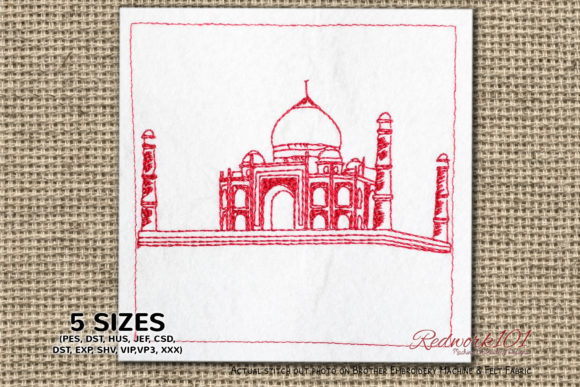
The first thing that strikes me about Taj Mahal Lineart is its potential for sophistication. The description notes that the Taj Mahal is an ivory-white marble mausoleum, and line art is often the best way to capture such intricate architecture without overwhelming the fabric with excessive stitch density. In my experience, line work feels modern, clean, and professional. It avoids the "cartoonish" look that sometimes plagues detailed landmarks when converted poorly into embroidery file formats.
This design feels elegant and classic rather than playful or rustic. For a boutique owner or a creative studio, this visual personality suggests premium quality. It does not scream for attention; instead, it invites closer inspection. This subtlety is crucial for brands that want to project trust and refinement. Whether you are running a high-end florist shop, a specialty bakery, or a local café, the understated nature of this line art allows it to blend seamlessly with your existing design assets without clashing.
Real-World Applications for Small Business Merch
When I evaluate a design for small business merch, I immediately visualize where it will live on a product. Taj Mahal Lineart is versatile, but it shines brightest in specific applications. Here is how I see it performing in a real commercial setting:
- Embroidered Patches: This is perhaps the strongest use case. A line art design translates beautifully into a patch because the open spaces reduce bulk. You can create a woven or embroidered patch that customers can buy as a standalone item or have sewn onto their own jackets.
- Apron Embroidery: For bakeries and cafés, staff uniforms are walking billboards. Placing this design on the chest pocket of an apron adds a layer of professionalism. It signals that the business cares about details, enhancing customer trust.
- Tote Bag Design: Canvas tote bags are a staple for Etsy sellers and retail shops. The linear nature of the Taj Mahal silhouette works well on textured canvas, providing a stylish, minimalist accent that appeals to eco-conscious shoppers.
- Cap Embroidery: While possible, this requires caution. The curved surface of a cap front can distort fine lines. If used here, it should be simplified further or placed on a flat panel cap to maintain integrity.
For handmade brands, using this as a label or a small chest logo accent on t-shirts can increase the perceived value of the finished product. It moves the item from a basic garment to a branded piece of merchandise.
Technical Considerations and Production Notes
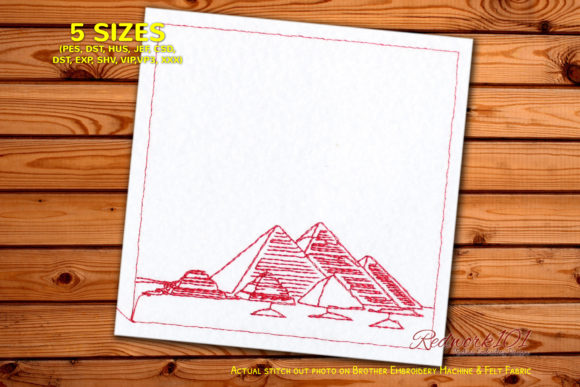
Before you load this digital embroidery file into your machine, there are several technical factors to consider. The product description mentions that the Box Stitch shown in the picture is optional and that the color of the outer box is different. This flexibility is a double-edged sword. As a designer, I advise you to test the design both with and without the box to see which version offers better structural stability for your chosen hoop size.
Stitch density is a critical factor here. Line art typically has lower density, which is good for preventing puckering on lightweight fabrics. However, if the lines are too thin, they may get lost in the fabric texture of heavier materials like denim or thick canvas. I recommend running a test stitch-out on the actual material you plan to use. Do not rely solely on a printable mockup; digital representations often hide tension issues.
Another key consideration is thread colors. Since the Taj Mahal is ivory-white, you might be tempted to use white thread. However, white thread on light fabric lacks contrast. For better visibility, consider using a subtle gray, beige, or even a contrasting brand color. Always check if the design works in black and white first. If it loses its definition in monochrome, it may not be legible from a distance, which defeats the purpose of branding.
Regarding stabilization, ensure you use the correct stabilizer for your fabric type. For stretchy materials like jersey tees, a cut-away stabilizer is essential to prevent distortion over time. For woven fabrics like twill or canvas, a tear-away may suffice, but always test for residue.
Enhancing Brand Identity and Customer Engagement
Why choose Taj Mahal Lineart over a generic icon? Because it tells a story. For businesses with connections to Asian culture, travel, or heritage, this design reinforces brand identity authentically. It shows that you have curated your commercial embroidery choices with intent. Customers engage more deeply with brands that feel cohesive and thoughtful.
When used on customer gifts or event merch, this design acts as a memorable token. It is not just a logo; it is a piece of art. This emotional connection can drive repeat business and word-of-mouth referrals. For Etsy sellers, offering items with this unique design can differentiate your shop from competitors using stock clip-art.
Where to Use Caution
While versatile, this design is not suitable for every scenario. Avoid using it on items that undergo frequent, harsh washing unless you have tested its durability extensively. Fine lines can fray or break down faster than solid fills. Additionally, be cautious with tiny lettering if the design includes any text elements not mentioned in the brief description. Small text often merges together during stitching, becoming unreadable.
If you are planning to use this on dark uniforms, ensure you have high-contrast thread options. Dark fabrics can swallow light-colored threads if the stitch count is too low. Always confirm the hoop size compatibility with your machine before purchasing. Since the description does not specify exact dimensions or file formats, you must verify these details with the seller to ensure it fits your equipment.
Final Verdict for Designers and Makers
Taj Mahal Lineart is a strong contender for small businesses looking to add a touch of elegance to their merchandise. It performs best as a patch, apron detail, or tote bag accent. Its success relies on proper technical execution: choosing the right stabilizer, testing thread contrast, and respecting the limitations of line art on curved surfaces. By treating this embroidery file as a strategic brand asset rather than just decoration, you can enhance your product value and create a more professional presentation for your customers. Always confirm commercial licensing before using it for profit, and never skip the physical test stitch. Your reputation depends on the quality of every stitch you produce.