Reviewing the Horseshoe Scribble Stitch Design
As a designer who spends more time staring at stitch maps than actual fabric, I have learned to be skeptical of trendy motifs. We see thousands of machine embroidery design files pass through our libraries, but few strike the right balance between whimsical charm and technical reliability. The Horseshoe Scribble Stitch caught my eye not because it was complex, but because it promised a specific aesthetic: rustic, hand-drawn, and effortlessly cool. After putting it through its paces on various substrates, I am ready to share how this piece holds up in real-world embroidery projects.
First Impressions and Visual Personality
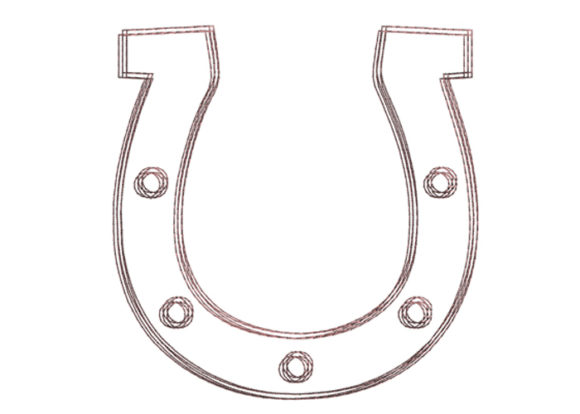
The immediate appeal of the Horseshoe Scribble Stitch lies in its line work. It does not attempt to mimic a photorealistic horseshoe with heavy shading or metallic thread effects. Instead, it uses a loose, sketch-like approach that feels organic. This is crucial for modern handmade product lines where customers are moving away from stiff, overly digitized looks. The design creates a mood of farmhouse comfort without feeling dated. It fits seamlessly into the Farm Animals category but avoids the cartoonish traps that often plague this niche.
What stands out is the versatility of the shape. It is simple enough to read from a distance yet detailed enough to hold interest up close. For an Etsy seller or craft business owner, this visual clarity is gold. It translates well across different mediums, ensuring your finished product looks professional whether it is stitched on a rugged canvas tote or a soft baby onesie.
Real-World Application: The Tote Bag Test
To truly evaluate a design, you must take it out of the digital preview and onto fabric. I chose to test the Horseshoe Scribble Stitch on a natural cotton canvas tote bag design. This is a staple item for many small shop product lines, especially those targeting eco-conscious buyers or local market shoppers.
I selected a contrasting thread color—a deep charcoal against the beige canvas—to highlight the scribble effect. The result was striking. The design did not get lost in the weave of the fabric. Because the lines are open and not overly dense, the canvas remained flexible. This is a critical point for any custom apparel or accessory project. If a design is too dense, it creates a stiff patch that ruins the drape of the garment. Here, the stitch density felt balanced, allowing the bag to fold and carry weight without the embroidery cracking or pulling.
This success suggests the design would also excel as a sweatshirt embroidery element. Imagine it placed on the left chest of a heather grey crewneck. It acts as a subtle brand marker or a charming decorative accent for a boutique clothing line. It is understated enough for daily wear but distinctive enough to spark conversation.
Navigating Fabric and Hoop Constraints
While the design is robust, it is not immune to the physics of embroidery. The product description notes that this machine embroidery design comes in 5 sizes. This variety is essential, but it requires careful selection based on your hoop size and project goals.
For smaller applications, such as an embroidered patch or baby embroidery on a bib, you must check the smallest version carefully. On thin or stretchy fabrics, even a light design can cause puckering if not supported correctly. I recommend using a cut-away stabilizer for garments that will undergo frequent washing, like t-shirts or baby clothes. For stable items like pillow covers or tea towels, a tear-away stabilizer may suffice, but always test on scrap fabric first.
One area to approach with caution is curved surfaces, such as caps. While the scribble style is forgiving, placing it on the front panel of a cap requires precise hooping. If the design is too large, it may distort near the edges. I found the medium size worked best for standard adult caps, providing enough presence without overwhelming the limited space. Always review the specific dimensions provided in the digital embroidery file package before committing to your final hoop choice.
Commercial Viability and Brand Consistency
For commercial embroidery professionals and digital product sellers, consistency is key. The Horseshoe Scribble Stitch offers a cohesive look that can anchor a broader collection. If you are selling a line of rustic home goods, this design pairs beautifully with other nature-inspired motifs. It helps build brand recognition because the style is distinct.
When creating printable mockup assets for your online store, this design photographs well. The clean lines do not create confusing shadows or glare, which makes it easier to showcase in design assets and social media posts. Customers can clearly see what they are buying, which builds trust and reduces return rates. Whether you are offering it as a personalized gift option or part of a seasonal holiday embroidery collection, the professional finish elevates the perceived value of the item.
Technical Notes for the Serious Maker
Before you load this into your machine, keep these practical tips in mind:
- Check Thread Contrast: The scribble effect relies on visibility. Ensure your thread colors contrast sufficiently with your fabric. On dark fabrics, use bright or metallic threads; on light fabrics, go bold with navy, black, or deep red.
- Verify File Formats: The description states this embroidery file comes with multiple formats. Confirm that your specific machine software can read the provided format without conversion errors, which can alter stitch paths.
- Test Stitch Density: Even though it is a scribble design, run a test stitch-out on similar fabric to ensure there are no unnecessary jumps or trims that could slow down production.
- Licensing Clarity: If you plan to sell items featuring this design, verify the license terms. Most designers allow commercial use for finished physical goods, but restrictions may apply to reselling the digital file itself.
Final Verdict
The Horseshoe Scribble Stitch is a reliable, versatile addition to any designer’s library. It bridges the gap between casual craft and professional merchandise. It performs well on sturdy fabrics like canvas and denim, making it ideal for tote bag design projects and custom apparel. With proper stabilization and attention to scale, it delivers a high-quality finish that customers appreciate.
For the hobbyists and makers looking to add a touch of rustic charm to their next embroidery project, this design offers a low-risk, high-reward option. It is not just a pretty picture; it is a functional design asset that respects the limitations of the machine and the nature of the fabric. Use it wisely, test it thoroughly, and let it bring a bit of handmade warmth to your creations.