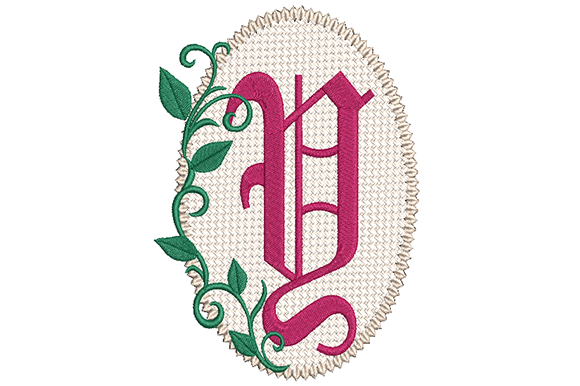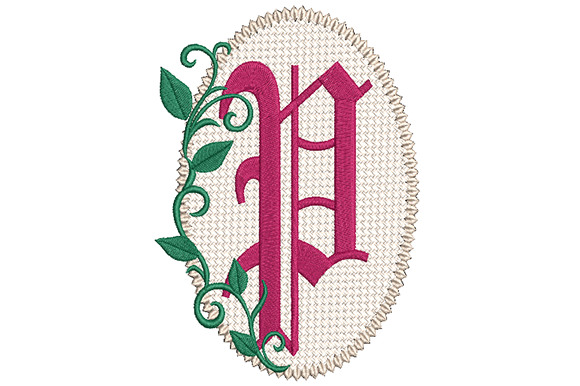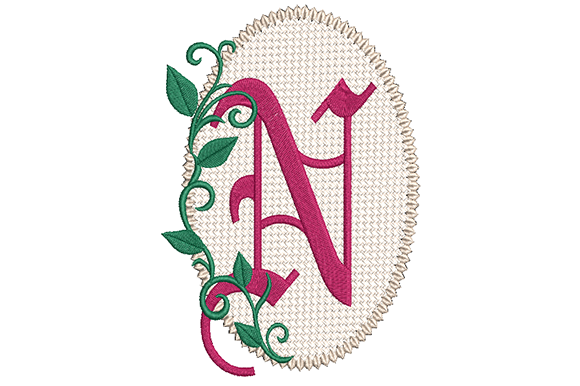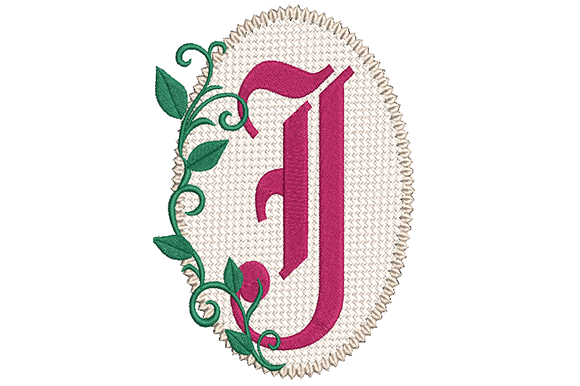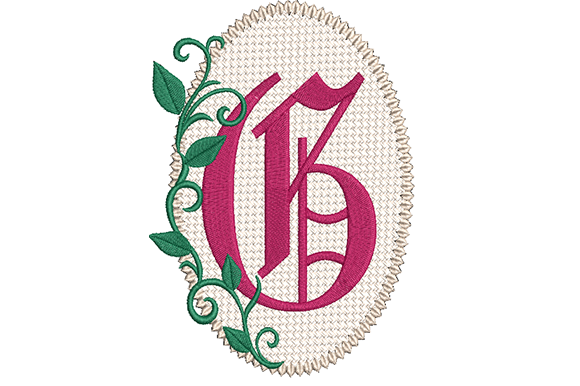
Reviewing the Olde English Monogram Letter G
As an embroidery designer who has spent years digitizing and testing designs for small businesses, I approach every new machine embroidery design with a mix of curiosity and caution. We all know that a pretty preview image does not always translate to a flawless finished product. Recently, I had the opportunity to test the Olde English Monogram Letter G, a design marketed within the Wedding Monogram category. My goal was simple: determine if this embroidery file is robust enough for commercial use in a personalized gift shop.
The first impression of the Olde English Monogram Letter G is one of timeless elegance. It carries a distinct charm that feels both classic and slightly romantic, making it an ideal candidate for customers seeking a touch of vintage sophistication. The design features a knockdown stitch, which is a critical technical detail for any serious embroiderer. This underlying layer helps manage the pile of textured fabrics, ensuring the letter sits cleanly on top rather than getting lost in the loops of a towel or blanket. For those of us selling handmade products, this attention to structural detail is what separates amateur attempts from professional-grade custom embroidery.
Why This Design Works for Personalized Gifts
The market for personalized gifts is saturated, but buyers are always hunting for items that feel unique and emotionally resonant. The Olde English Monogram Letter G excels here because monograms are inherently personal. They transform a generic item into a bespoke keepsake. I tested this design on several common substrates to see how it would perform in real-world scenarios.
For baby embroidery, the soft curves of the Olde English style are gentle and appealing. When stitched onto a muslin swaddle or a cotton onesie, the letter adds a sweet, heirloom quality without being overly ornate. Parents love seeing their child’s initial embroidered with care, and this design delivers that handmade warmth. Similarly, for wedding gift applications, such as bridal robes or tote bags for the wedding party, the design offers a level of formality that matches the occasion. It feels celebratory yet understated.
I also evaluated its potential for home goods. An embroidered towel is a staple in many craft fairs and Etsy shops. Thanks to the knockdown stitch mentioned in the product description, the Olde English Monogram Letter G performed admirably on terry cloth. The letter remained legible and crisp, avoiding the common issue where thick fabric swallows up delicate stitches. This versatility makes it a strong contender for small shop products that need to appeal to a broad audience.
Technical Considerations for Embroiderers
While the aesthetic appeal is high, practical application requires diligence. Before running this design on a customer’s expensive linen or silk, you must conduct thorough tests. Here are the key technical aspects I focused on during my review:
- Stabilizer Selection: Because the design includes a knockdown stitch, pairing it with the right stabilizer is crucial. For stretchy baby clothes, a cut-away stabilizer is non-negotiable to prevent puckering. For woven fabrics like pillowcases, a tear-away might suffice, but always test first.
- Thread Color Contrast: The visibility of the Olde English font depends heavily on contrast. I found that using metallic or variegated threads can sometimes obscure the fine details of the letterforms. Solid, high-contrast thread colors often yield the cleanest result, especially on dark fabrics.
- Hoop Size and Placement: Although the specific hoop size requirements were not explicitly detailed in the brief description, monograms of this style typically fit well in standard 4x4 or 5x7 hoops. Always check the dimensions of the digital embroidery file before purchasing to ensure it fits your machine’s capabilities.
- Fabric Texture: While the knockdown stitch helps, extremely plush or highly textured fabrics may still pose challenges. I recommend stitching a sample on a scrap piece of the exact material you plan to use for the final blanket embroidery or pillow cover.
It is also vital to verify the stitch density. If the density is too high for lightweight fabrics, you risk creating holes or stiff patches. If it is too low, the design may look sparse. Since the product description highlights that it is "great for embroider," it implies a balanced density, but personal verification is the hallmark of a professional Etsy seller.
Navigating Potential Pitfalls
No design is perfect for every application. There are specific scenarios where the Olde English Monogram Letter G should be used with caution. Small lettering can sometimes lose definition if the design is scaled down too far. If a customer requests a tiny initial on a cuff or collar, ensure the details remain visible after stitching. Additionally, curved surfaces like the toe of a sock or the corner of a fitted sheet can distort the geometry of the letter. Proper hooping technique and experience are required to maintain the integrity of the shape on these difficult areas.
Dark fabrics present another challenge. Without a proper underlay or knockdown, light threads can appear dull against black or navy backgrounds. The included knockdown stitch in this design is a significant advantage here, but you must still choose thread colors that pop. A printable mockup can help visualize this, but nothing beats a physical test stitch.
Boosting Perceived Value and Customer Trust
From a business perspective, the quality of your embroidery directly impacts customer trust. A clean, well-executed monogram suggests attention to detail and high-quality craftsmanship. When customers receive a personalized gift featuring the Olde English Monogram Letter G, they are not just buying a letter; they are buying an emotional connection. The classic style evokes feelings of tradition and care, which enhances the perceived value of the item.
For commercial embroidery sellers, this design can be a versatile asset. It works well for seasonal promotions, such as back-to-school items or holiday ornaments, but its classic nature ensures it remains relevant year-round. By offering this design on various products—from aprons to nursery decor—you demonstrate versatility to your buyers. High-quality product photography that highlights the texture and precision of the stitches will further drive buyer engagement.
Before adding this to your inventory, always confirm the licensing terms. Ensure that the digital embroidery file comes with the appropriate rights for selling finished products. Most reputable designers provide commercial licenses, but it is essential to read the fine print to protect your business.
Final Verdict for Crafters and Sellers
The Olde English Monogram Letter G is a charming and technically sound addition to any embroidery library. Its inclusion of a knockdown stitch shows thoughtful digitization, making it suitable for a variety of fabrics, including challenging textures like towels. For wedding gift designers and baby embroidery specialists, this design offers the perfect blend of elegance and readability.
Remember to test on scrap fabric, adjust your tension, and choose your stabilizer wisely. With proper execution, this machine embroidery design can elevate your handmade product line, helping you create meaningful, beautiful items that customers will cherish for years. Whether you are a seasoned Etsy seller or a newcomer to custom embroidery, this monogram is worth considering for your next collection.