Lunation Wine Flower: A Designer’s Practical Review
When I first pulled up the Lunation Wine Flower design on my screen, I wasn’t looking for flashiness. As an experienced designer who has spent years digitizing and stitching thousands of patterns, I look for balance. I look for a motif that holds its own without overwhelming the fabric it lives on. This particular piece caught my eye because it bridges the gap between organic fluidity and structured elegance. It is not just a generic floral; it carries a mood. The interplay of the lunar element with the wine-hued botanicals suggests sophistication, making it a strong candidate for projects that need to feel curated rather than mass-produced.
First Impressions and Visual Personality
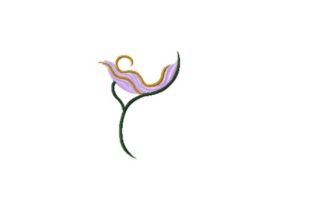
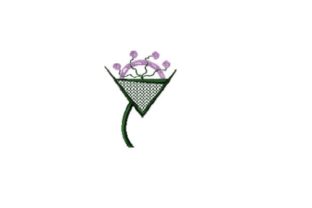
The immediate impression of Lunation Wine Flower is one of calm confidence. The layout feels intentional. In embroidery, negative space is just as important as the stitches themselves, and this design respects that boundary. The curves of the flower petals seem to mimic the crescent shape of the moon, creating a visual harmony that guides the eye naturally across the hoop. For those of us in the Sewing and craft community, we know that a design with poor flow can look chaotic once stitched out. Here, the flow is smooth.
The color palette implied by the name—deep wines, soft creams, and midnight blues—offers high contrast potential. However, the true test of any machine embroidery design is how it translates from digital preview to physical thread. The detail level appears moderate, which is a sweet spot for versatility. It is detailed enough to look professional on a close-up inspection but not so dense that it becomes a stiff puckered mess on lighter fabrics.
Real-World Application: The Custom Tote Scenario
To truly evaluate Lunation Wine Flower, I mentally placed it into a real-life client scenario. Imagine a local boutique owner who wants to elevate her canvas tote bags. She needs a design that appeals to adults, not just children. Placing this motif on a natural cotton canvas tote creates an instant artisanal vibe. The wine tones pop against the beige background, and the lunar element adds a touch of mystique that resonates with current trends in celestial-themed decor.
In this context, the design works as a focal point. It doesn’t need extra embellishment. If I were producing this for a small shop product, I would likely center it on the front panel. The result is a handmade product that feels high-value. Customers often judge the quality of an embroidered item by the clarity of the design. Because Lunation Wine Flower avoids overly tiny, fragile details that might get lost in the texture of canvas, it maintains its integrity. This builds customer trust and encourages repeat business for the Etsy seller or craft fair vendor.
Versatility Across Different Products
Beyond totes, where else does this design shine? I see strong potential in custom apparel. Picture a charcoal grey sweatshirt with the design embroidered on the left chest. The subtle sheen of the thread against the matte fleece would look exquisite. It transforms a basic garment into a personalized gift or a boutique-style piece. Similarly, for baby embroidery, if adapted with softer pastel threads, the gentle curves could work beautifully on a muslin swaddle or a nursery pillow cover, though the "wine" aspect might need adjustment to suit a younger demographic.
For holiday seasons, this design is a natural fit. Holiday embroidery often leans heavily on reds and greens, but a deep burgundy and silver thread combination for Lunation Wine Flower could offer a sophisticated alternative for winter gifts. It could also serve as a striking embroidered patch if digitized with a border, allowing users to iron or sew it onto denim jackets or backpacks.
Technical Considerations for Stitching
While the aesthetic is strong, practical execution requires attention to detail. Before committing to a final embroidery project, there are several technical factors to consider.
- Fabric Texture: On textured fabrics like terry cloth or heavy linen, the finer details of the flower petals might get lost. I recommend testing on a scrap piece first to see if the stitch density is sufficient to cover the fabric weave without becoming too bulky.
- Stabilizer Choice: Given the organic shapes, using the correct stabilizer is crucial. A cut-away stabilizer is often safer for garments that will be washed frequently, ensuring the design doesn’t distort over time. For a tote bag, a tear-away might suffice, but always test first.
- Thread Colors: The beauty of this design relies on contrast. If you are stitching on dark fabric, ensure your thread colors have enough brightness to stand out. Conversely, on light fabric, avoid threads that are too pale, or the design will look washed out.
- Hoop Size: Check the dimensions of the embroidery file against your machine’s maximum hoop size. While the description suggests it fits various items, confirming the actual dimensions prevents last-minute resizing issues that can degrade stitch quality.
Where to Use Caution
No design is perfect for every situation. I would advise caution when placing Lunation Wine Flower on highly stretchy fabrics like spandex or thin jersey knits without proper stabilization. The curvature of the moon and the flower petals could distort if the fabric shifts during stitching. Additionally, if you are working with a very small hoop, ensure that the intricate parts of the flower do not become too compressed. Tiny details can turn into solid blobs of thread if the scale is reduced too much.
Also, consider the end-use. If this is for a commercial embroidery project involving industrial machines, verify the stitch count and density. High-density areas can cause needle breaks or thread tension issues if the machine isn’t calibrated correctly. Always review the digital embroidery file settings before loading it onto the machine.
Enhancing Brand Value and Professionalism
For small business owners and creative entrepreneurs, the choice of design assets directly impacts brand perception. Using a well-balanced design like Lunation Wine Flower signals professionalism. It shows that you care about the visual outcome, not just the speed of production. When customers receive a finished product with clean, clear stitching and a thoughtful design, they are more likely to leave positive reviews and share photos on social media.
This design can also be used in printable mockups to showcase your services online. A high-quality preview of Lunation Wine Flower on a digital template can help potential clients visualize the final result, increasing conversion rates for custom orders. Whether you are selling the design assets themselves or the physical embroidered items, the quality of the source file matters.
Final Designer Notes
Before you begin, remember to check the licensing terms. Ensure that the Lunation Wine Flower design allows for commercial use if you plan to sell the finished items. Not all embroidery files grant these rights, so clarity here protects your business. Test the design on different fabric types to build a portfolio of examples. Compare how it looks on cotton versus polyester. Check the back of the stitching to ensure neatness, as messy backs can indicate tension issues that might affect durability.
In summary, Lunation Wine Flower is a versatile and aesthetically pleasing addition to any designer’s library. It offers a blend of elegance and practicality that suits a wide range of Sewing and embroidery applications. By paying attention to fabric choice, stabilization, and thread selection, you can maximize its potential and create products that stand out in a crowded market. It is a design that invites creativity while maintaining the technical reliability needed for professional results.