Orchestra Tubas Bluework: A Designer’s Review
As an embroidery designer who has spent years translating digital files into tangible, heartfelt keepsakes, I approach every new machine embroidery design with a critical yet hopeful eye. We are not just stitching thread onto fabric; we are creating emotional anchors for our customers. Recently, I explored the Orchestra Tubas Bluework design available on Creative Fabrica, and it immediately struck me as a piece that bridges the gap between whimsical charm and sophisticated craftsmanship. For those of us running small shops or crafting personalized gifts, finding designs that offer both visual appeal and technical reliability is essential.
The Visual Appeal and Emotional Resonance
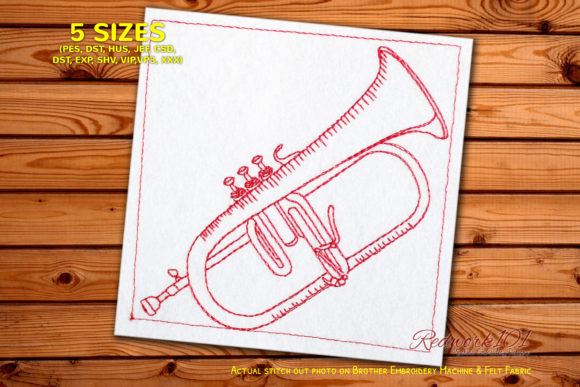
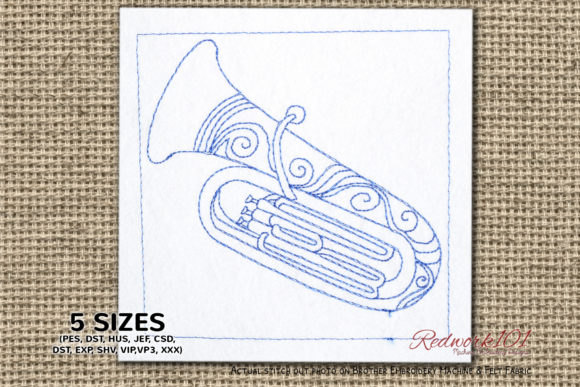
The first thing that captures your attention with Orchestra Tubas Bluework is its distinct aesthetic. The description notes that the orchestra tuba is a long metal tube, curved into an oblong shape, with a huge bell at the end. In the context of embroidery, this translates to a design that plays with curves and negative space beautifully. The "Bluework" style suggests a monochromatic or limited palette approach, which often lends itself to a classic, elegant, and slightly vintage feel. This is not a loud, chaotic design; rather, it feels cozy, artistic, and refined.
For buyers, this visual softness is crucial. Whether it is intended for a nursery or a living room, the design exudes a sense of calm. It does not scream for attention but invites closer inspection. This subtle elegance makes it highly versatile for various handmade products. It feels less like a generic clip-art insertion and more like a thoughtful illustration, which significantly boosts the perceived quality of the finished item.
Versatility in Personalized Gifts
One of the strongest assets of this embroidery file is its adaptability across different product categories. As a seller, you want a design that can serve multiple niches without looking out of place. Here is how I envision using Orchestra Tubas Bluework in a real-world business scenario:
- Baby Embroidery: The gentle curves and blue tones make it perfect for baby boy blankets or nursery wall hangings. It adds a touch of musical sophistication to a child’s room without being overly juvenile.
- Wedding Gifts: For couples who share a love for music, this design can be embroidered on high-quality linen towels or pillow covers. It serves as a unique alternative to traditional monograms.
- Home Decor: Imagine this stitched onto a canvas tote bag or a decorative apron. It appeals to musicians, teachers, and art lovers, making it a strong candidate for craft fair products.
- Custom Keepsakes: The optional Box Stitch mentioned in the product details allows for customization. You can frame the tuba within a colored box to match specific home decor themes, enhancing its value as a personalized gift.
This versatility is vital for Etsy sellers and small business owners who need to maximize their inventory efficiency. By mastering one high-quality design, you can create a cohesive collection across different mediums, from blanket embroidery to custom apparel.
Technical Considerations for the Crafter
While the aesthetic is promising, the practical application requires careful attention to detail. The product description mentions that the color of the outer box is different in most options and that the Box Stitch is optional. This flexibility is a double-edged sword. On one hand, it allows for creative freedom; on the other, it requires the embroiderer to make informed decisions about thread colors and composition.
When working with a design featuring long, curved lines like a tuba, stitch density becomes a critical factor. If the density is too high, the fabric may pucker, especially on lighter materials like cotton voile or silk. If it is too low, the underlying fabric might show through, ruining the clean look of the Bluework style. I strongly recommend creating a test stitch-out on a scrap piece of your intended fabric before committing to the final product. This step is non-negotiable for maintaining professional standards.
Furthermore, consider the fabric texture. Embroidering on textured towels requires a different approach than stitching on smooth quilting cotton. The loops of a towel can obscure fine details, so ensure that the design’s lines are bold enough to remain visible. For stretchy fabrics, such as baby clothes, using the correct stabilizer is paramount. A cut-away stabilizer might be necessary to support the weight of the stitches and prevent distortion after washing.
Enhancing Customer Trust and Perceived Value
In the world of online sales, particularly for commercial embroidery projects, presentation is everything. A well-executed Orchestra Tubas Bluework piece signals quality. When a customer receives a finished product with clean edges, proper tension, and thoughtful color choices, their trust in your brand deepens. This design, with its artistic flair, helps elevate a simple item into a cherished heirloom.
Photography also plays a significant role. The unique shape of the tuba offers interesting angles for product photos. Whether you are creating a printable mockup for your digital listings or photographing physical items, the design’s structure allows for dynamic compositions. Highlighting the contrast between the thread and the fabric can showcase the intricacy of the work, thereby increasing buyer engagement and conversion rates.
Practical Steps Before You Stitch
Before you dive into production, there are several logistical checks to perform. Since the provided description does not specify exact technical metrics, you must review the product details on Creative Fabrica carefully. Check the recommended hoop size to ensure it fits your machine and your intended project. Verify the file formats included to guarantee compatibility with your embroidery software.
- Review Licensing: Confirm the license terms for commercial use. While many Creative Fabrica designs allow for selling finished physical products, it is essential to be certain to protect your business.
- Test Thread Contrast: Experiment with different shades of blue or even contrasting colors if you decide to skip the Box Stitch. The goal is to maintain the "Bluework" elegance while ensuring visibility.
- Check Small Details: After stitching, inspect the curve of the tuba and the bell end. Ensure there are no thread breaks or loose tails that could compromise durability.
- Washing Durability: Test the washability of your sample. Ensure the threads do not bleed and the stabilizer does not leave a stiff residue, which is crucial for baby items and towels.
In conclusion, Orchestra Tubas Bluework is a compelling addition to any embroidery designer’s library. It offers a blend of artistic merit and practical utility that appeals to a wide range of customers. By paying attention to technical details and leveraging its versatility, you can create stunning handmade products that stand out in a crowded market. Whether for a wedding, a newborn, or a music lover’s home, this design has the potential to become a staple in your portfolio.