Review: Classics for Kids Redwork Embroidery Design
As a designer who has spent years digitizing and testing thousands of patterns, I have developed a sharp eye for what works in the hoop versus what only looks good on a screen. When I first loaded the Classics for Kids Redwork file into my software, my immediate reaction was one of appreciation for its simplicity. In a market saturated with overly complex, high-density designs that eat up thread and time, this collection offers a refreshing return to clean lines and classic aesthetics. For those of us running small embroidery businesses or crafting personalized gifts, efficiency and visual clarity are paramount. This design delivers on both fronts, provided you understand how to leverage its specific characteristics.
The Visual Appeal and Mood
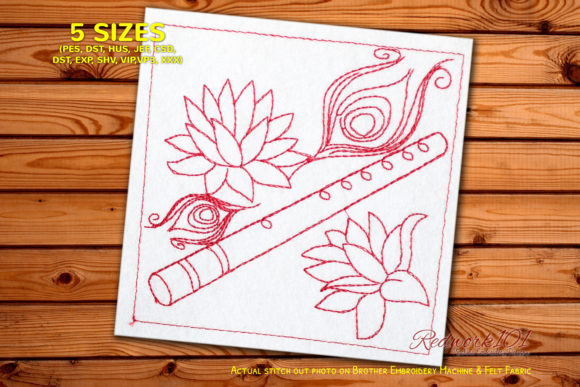
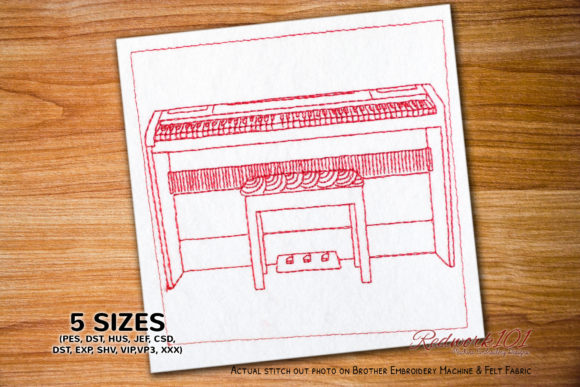
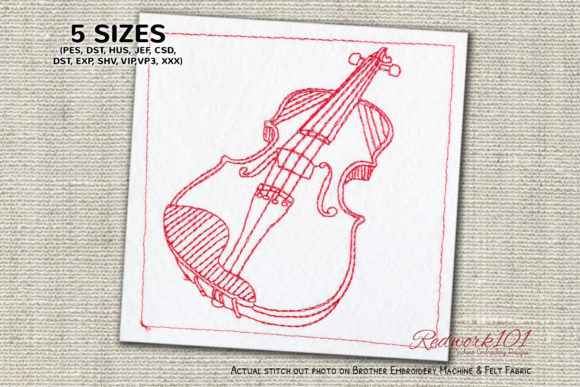
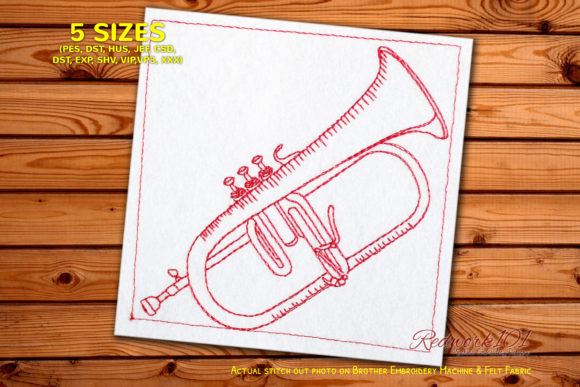
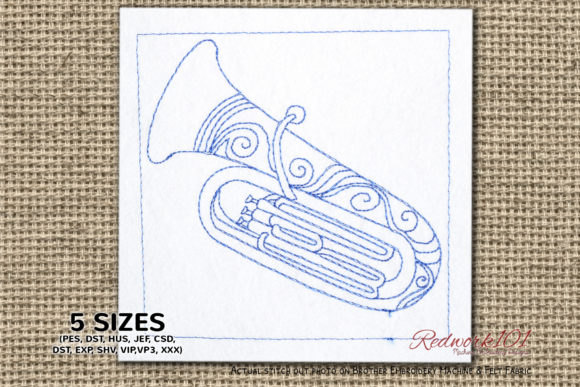
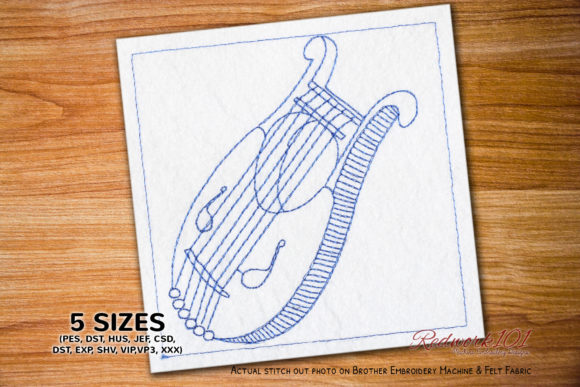
The term "Redwork" historically refers to embroidery done with a single color of thread, typically red, on white fabric. While modern interpretations allow for any color choice, the structural integrity of this design relies on that traditional open-space philosophy. The Classics for Kids Redwork set features iconic musical motifs that evoke nostalgia and whimsy. The lines are crisp, utilizing primarily running stitches that create a hand-drawn feel. This is not a heavy fill stitch design; it is airy and light.
For a craft business owner, this mood is incredibly versatile. It fits seamlessly into nursery decor, baby shower gifts, and educational materials. The lack of dense stitching means the fabric remains soft and flexible, which is a critical selling point for baby embroidery items where comfort is non-negotiable. When I visualize this on a product, I do not see a stiff, cardboard-like patch. Instead, I see a design that breathes with the textile, maintaining the natural drape of the material.
Real-World Application: The Tote Bag Test
To truly evaluate a machine embroidery design, I always imagine it on a specific product. Let us consider a custom tote bag design for a local music teacher or a boutique shop product. I selected a natural cotton canvas for this test. Because Classics for Kids Redwork uses minimal thread coverage, it stitches out quickly. This speed is a major advantage for an Etsy seller who needs to manage production time while keeping costs low.
The result was charming. The musical notes and instruments stood out clearly against the textured fabric. However, the description notes that "The Box Stitch shown in the picture is optional." This is a crucial detail for your workflow. In my test, I chose to skip the outer box to keep the look organic and less rigid. If you are creating a branded item for a school or a formal event, you might include the box for a framed effect. But for a handmade product aimed at children, skipping the border allows the design to feel more playful and less confined. Always check if the box color matches your background; if it does not, omitting it prevents an unintended contrasting frame that might clash with your thread colors.
Fabric and Stabilizer Considerations
One of the biggest challenges with redwork-style designs is visibility on dark or textured fabrics. Since this design relies on outline stitches rather than satin stitch or fill stitch density, it can get lost on busy patterns. I recommend using high-contrast thread colors. If you are stitching on a navy sweatshirt embroidery project, use bright white or vibrant yellow thread. Do not attempt to use a similar shade to the fabric, as the running stitch will disappear.
Stabilizer choice is equally important. Even though the stitch density is low, you must prevent puckering. For stretchy fabrics like t-shirts or caps, a cut-away stabilizer is essential to maintain the shape of the musical notes over time. For woven fabrics like tea towels or aprons, a tear-away stabilizer works well. I always advise testing the design on scrap fabric first. Check how the needle penetrates the weave. On loose-weave linens, the small details might pull slightly, so adjusting your tension or using a topping stabilizer can help achieve a professional finish.
Commercial Viability and Branding
For digital product sellers and commercial embroidery professionals, the value of Classics for Kids Redwork lies in its adaptability. It is not just a static image; it is a design asset that can be scaled and modified. Because the design is relatively simple, it scales down well for embroidered patches or up for larger pillow covers without losing definition. This versatility increases its utility in your design library.
When creating printable mockups for your online store, this design photographs beautifully. The clean lines translate well to digital images, helping potential customers visualize the finished product. Whether you are selling holiday embroidery gifts or year-round baby clothes, the timeless nature of music-themed redwork ensures it does not feel dated. It builds customer trust because it looks intentional and high-quality, not like a rushed afterthought.
Practical Designer Notes
Before you commit to a large batch of custom apparel or handmade merchandise, keep these technical tips in mind:
- Check the License: Always confirm licensing terms before selling finished items. While many designers allow commercial use of physical products, rules vary for digital embroidery files.
- Thread Contrast: Since this is a line-art style design, contrast is key. Test your thread colors against your fabric under natural light.
- Hoop Size: Verify the hoop size required for the largest element in the set. Ensure your machine can accommodate it without re-hooping, which can cause alignment issues.
- Optional Elements: As noted, the outer box is optional. Decide early in your design process whether to include it. If you skip it, ensure the remaining elements are balanced within the hoop.
- Wash Testing: For items like kitchen towels or baby clothes that undergo frequent washing, test the durability of the thread. Redwork holds up well because there is less thread mass to snag or fray.
Final Verdict
The Classics for Kids Redwork collection is a solid addition to any embroidery designer’s toolkit. It is not trying to be the most complex or flashy design on the market. Instead, it offers reliability, speed, and classic charm. For small shop owners and hobbyists alike, it provides a low-risk, high-reward option for creating personalized gifts and boutique branding items. By paying attention to fabric choice and thread contrast, you can elevate this simple design into a standout feature on any textile. It is a reminder that sometimes, less really is more in the world of machine embroidery.