Review: Minimalistic One Line Horse for Modern Embroidery
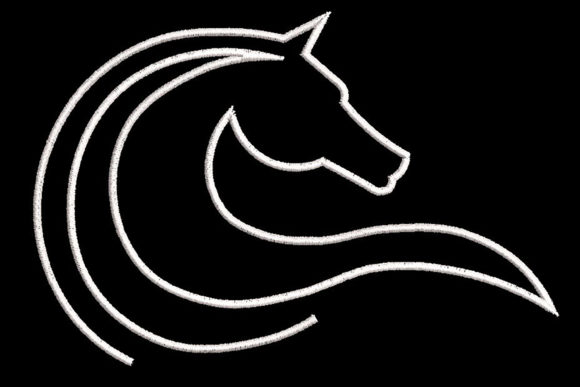
As a designer who spends half my life staring at digitized files and the other half pulling thread jams out of machines, I have developed a sharp eye for what works in the hoop and what looks like a tangled mess on fabric. Recently, I pulled up the Minimalistic One Line Horse to evaluate it for an upcoming batch of custom orders. This isn’t just another animal motif; it is a study in restraint. The concept is simple: a continuous single line that forms the silhouette of a horse. It is minimalistic, stylish, and fits neatly into a 4″ x 4″ hoop size. But does simplicity translate to quality in a real-world embroidery project? Let’s break it down.
First Impressions and Visual Mood
The first thing that strikes you about this design is its elegance. In a market saturated with dense fill stitches and complex satin stitch borders, this piece breathes. It relies entirely on the flow of a running stitch or a light zigzag to create form. There are no heavy blocks of color to weigh down the fabric. The mood is contemporary, calm, and sophisticated. It feels less like a traditional barnyard depiction and more like a modern art sketch brought to life through thread.
For those of us selling handmade products, visual personality matters. This design appeals to a specific customer: the one who wants subtle branding, the minimalist parent, or the boutique owner looking for understated decor. It doesn’t shout; it whispers. That quiet confidence is exactly what makes it versatile for various Animals-themed collections without feeling childish or cluttered.
Real-World Application: The Tote Bag Test
To truly test a design, you have to stitch it. I decided to use this file for a set of canvas tote bags intended for a local bookshop’s merchandise line. The goal was to create a premium feel without inflating production time. Here is where the Minimalistic One Line Horse shined.
Because the design is essentially a single continuous path, the stitch count is inherently low. This means faster run times on the machine and less stress on the fabric. On the heavy cotton canvas, the line stood out crisply. I used a contrasting thread color—a deep charcoal on natural beige—which allowed the shape to pop without overwhelming the bag’s utility. The result was a clean, professional-looking embroidered patch effect that felt integrated rather than slapped on. Customers often associate high stitch density with quality, but in this case, the precision of the line conveyed a different kind of value: curated design intelligence.
Versatility Across Products
Beyond tote bags, this design proves itself as a robust asset for any craft business. Consider its application on custom apparel. On a sweatshirt, the minimal line work prevents the "cardboard" stiffness that sometimes plagues large embroidered logos. It moves with the fabric. For baby embroidery, the softness of the line is perfect for onesies or nursery decor, offering a gentle aesthetic that parents love for personalized gifts.
I also see strong potential for holiday embroidery projects. Imagine this horse stitched onto linen tea towels for a rustic winter collection, or as a subtle accent on a wool cap. Because it fits within a 4″ x 4″ hoop size, it is accessible for home hobbyists with smaller machines, not just industrial multi-needle setups. This accessibility expands your potential market if you are selling digital embroidery files or finished products on platforms like Etsy.
Technical Considerations and Fabric Choices
While the design is forgiving, it is not immune to poor execution. The success of a single-line design hinges on stitch clarity. If your tension is off, the line will look wavy or loose. I recommend testing the design on scrap fabric first, especially if you are new to this style. Pay close attention to your stabilizer choice. For stretchy fabrics like jersey t-shirts, a cut-away stabilizer is non-negotiable to prevent distortion. For woven fabrics like aprons or pillow covers, a tear-away might suffice, but always test for puckering.
Fabric texture plays a huge role here. On smooth cotton or polyester blends, the line will be sharp and defined. On textured fabrics like terry cloth or heavy wool, the single line might get lost in the pile. In such cases, consider using a thicker thread or adjusting the stitch width slightly if your software allows, though you must be careful not to break the "continuous line" aesthetic. Dark fabrics require careful thread color selection; a metallic or bright white thread can create stunning contrast, turning the design into a focal point for evening wear or luxury home goods.
Where to Use Caution
Not every surface is ideal. Avoid placing this design on areas with extreme curvature unless you have significant experience hooping curved items like caps. The straight nature of some line segments might distort on a highly rounded surface. Additionally, because the design is minimal, any stray threads or needle jumps will be immediately visible. Quality control is paramount. You cannot hide mistakes behind dense fill stitches. Inspect every finished product closely before it reaches the customer.
Commercial Value and Branding
For the Etsy seller or small shop owner, this design is a strategic tool. It helps build brand consistency. If your brand identity is modern, clean, and artisanal, this horse aligns perfectly. It enhances buyer engagement because it looks intentional and designed, not just downloaded and dumped. When customers see a well-executed minimal design, they perceive higher craftsmanship. This perception builds trust and justifies a higher price point for your handmade product.
Furthermore, the simplicity makes it excellent for printable mockups. You can easily visualize how this design will look on various products without needing to stitch every sample first. This efficiency saves time and resources when planning your next seasonal launch or expanding your design assets portfolio.
Final Designer Notes
Before you commit to a large production run or list this as a digital embroidery file for sale, keep these practical tips in mind:
- Check Licensing: Always confirm the license terms provided with the file. Ensure you have the right to use it for commercial embroidery projects if you are selling finished items.
- Thread Contrast: Test multiple thread colors. Since there is no fill, the thread color is the entire design. Make sure it contrasts sufficiently with your base fabric.
- Hoop Size Confirmation: While listed as 4″ x 4″, always measure the actual bounding box in your embroidery software to ensure it fits your specific hoop and machine capabilities.
- Stitch Density Review: Even with a simple line, check the stitch length settings. Too short, and it becomes perforated; too long, and it loses definition.
The Minimalistic One Line Horse is a reminder that in embroidery, less is often more. It is a versatile, stylish, and practical choice for designers who value clarity and speed. Whether you are creating a personalized gift, stocking your small shop product line, or decorating custom apparel, this design offers a refined touch that resonates with modern tastes. Treat it with the technical respect it deserves, and it will elevate your finished product significantly.