Review: Wine Glass and Bottle, Simplistic Design
As a designer who has spent countless hours digitizing and testing patterns for clients, I have learned that simplicity is often the hardest quality to achieve. When I first loaded the Wine Glass and Bottle, Simplistic Design into my software, my initial reaction was one of relief. In an industry cluttered with overly complex, dense files that eat up thread and time, this design stands out for its clarity and purpose. It is not just a graphic; it is a practical tool for the modern craft business.
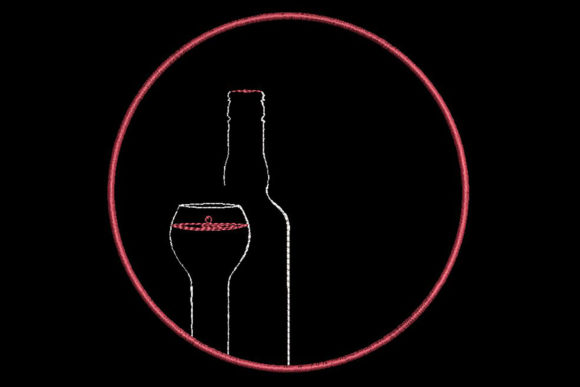
The layout features a wine glass and bottle enclosed in a circular frame, with intentional negative space to the right. This is not an accident. It is a strategic design choice that allows for personalization without disrupting the visual balance. For those of us in the House decor niche or creating custom gifts, this flexibility is invaluable. The aesthetic is clean, modern, and unpretentious, making it suitable for a wide range of applications beyond the typical kitchen towel.
Real-World Application: The Custom Tote Test
To truly evaluate a machine embroidery design, you must move beyond the screen and put needle to fabric. I recently used this file for a client order involving a set of canvas tote bags intended as bridal party gifts. The brief was specific: elegant but durable, with room for each recipient’s name.
This design performed exceptionally well in this scenario. Because the lines are clean and the stitch density appears moderate, it did not pucker the medium-weight canvas. The circular frame provided a natural boundary that kept the design contained, while the open space on the right allowed me to add a sans-serif font for the names. The result was a cohesive, professional-looking handmade product that looked like it came from a high-end boutique rather than a home hobbyist setup.
If you are an Etsy seller or run a small shop, consider how this versatility translates to other items. This is not limited to linens. Imagine this stitched onto a dark navy sweatshirt for a wine club merchandise line, or scaled down for a cute embroidered patch on a denim jacket. The simplistic nature means it does not compete with the garment; it enhances it.
Stitching Performance and Technical Considerations
From a technical standpoint, the description notes this is a “quick to sew” design. In practice, this usually implies a reliance on running stitch and perhaps some light satin stitch work, avoiding heavy fill stitch areas that can cause registration issues on stretchy fabrics. However, because exact stitch counts and file formats are not provided in the brief, I strongly advise downloading a preview or checking the file properties before committing to a large production run.
Here are critical technical notes for your next embroidery project:
- Stabilizer Selection: Even with a simple design, always use a cut-away stabilizer for garments that will be washed frequently, like t-shirts or baby clothes. For woven items like aprons or pillow covers, a tear-away may suffice, but test first.
- Thread Contrast: The design relies on outline clarity. Ensure your thread colors contrast sufficiently with your fabric. A white thread on a cream tote might get lost, whereas a deep burgundy or slate grey would pop.
- Hoop Size: While the design is simplistic, confirm the required hoop size. If you plan to add text to the empty space, ensure your hoop can accommodate the combined width of the graphic and your chosen lettering.
- Fabric Texture: This design works best on smooth to medium-texture fabrics. Highly textured materials like thick wool or looped towels might obscure the finer lines of the bottle and glass.
Navigating Potential Pitfalls
No design is perfect for every situation. While Wine Glass and Bottle, Simplistic Design is robust, there are scenarios where caution is needed. If you are working with very thin or stretchy fabric, such as silk or lightweight jersey, the circular frame could distort if not properly stabilized. Always hoop your fabric tightly and consider using a topping if stitching on plush or piled fabrics.
Additionally, be mindful of scale. If you shrink this design too much for a small item like a baby onesie or a cap, the details of the wine glass stem might merge or become indistinct. Conversely, blowing it up too large for a blanket might make the lines look sparse. I recommend stitching a test sample on scrap fabric at your intended size to check for stitch density and clarity.
For those interested in commercial embroidery or selling digital products, remember that licensing terms vary. Before listing finished items or reselling the digital embroidery file, verify the license included with your purchase. Most designers allow commercial use of finished physical goods but restrict the redistribution of the file itself.
Enhancing Brand Value and Customer Appeal
Why choose this specific design over others? It comes down to perceived value and professionalism. A cluttered, messy embroidery job can cheapen a product, no matter how high-quality the material. This design’s clean lines convey sophistication. It signals to the buyer that care was taken in the creation process.
For holiday embroidery projects, such as Christmas gifts or Valentine’s Day specials, this motif is timeless. It avoids trendy elements that might date quickly, ensuring your small shop product remains relevant season after season. It is equally effective for wedding gifts, where minimalism is currently in vogue.
When creating printable mockups for your online store, this design photographs beautifully. The clear shapes and balanced composition look great in flat lays and lifestyle shots, helping to drive engagement and sales. Whether you are creating custom apparel for a local winery or personalized kitchen linens for a housewarming gift, this asset serves as a reliable foundation.
Final Verdict for Makers
The Wine Glass and Bottle, Simplistic Design is a strong addition to any designer’s library. It bridges the gap between decorative art and functional branding. Its strength lies in its adaptability and ease of execution. It respects the maker’s time by being quick to sew while respecting the customer’s eye with its polished appearance.
Before you begin your next batch of tote bag designs or sweatshirt embroidery runs, take a moment to plan your color palette and stabilizer strategy. Test on a similar fabric weight to your final product. Check the alignment of the text area if you plan to personalize it. By treating this embroidery file with the same rigor you would apply to a complex applique design, you will ensure consistent, high-quality results that build trust with your customers.
In the world of craft business and handmade goods, reliability is currency. This design delivers that reliability, offering a seamless blend of style and function for your next creative venture.