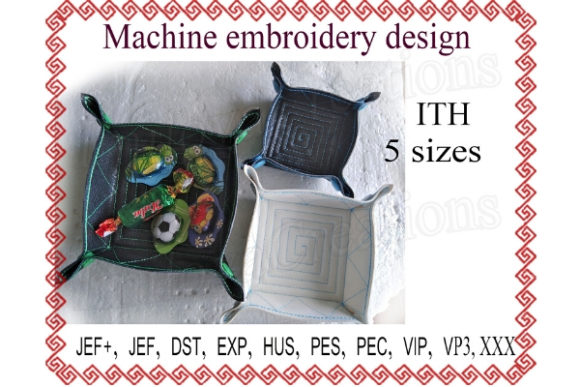
Snap Tray Embroidery Design Review
As an embroidery designer who spends countless hours digitizing and testing files for commercial use, I have learned that not every machine embroidery design is created equal. When I first encountered the Snap Tray design on Creative Fabrica, my initial reaction was one of cautious curiosity. In the world of Sewing and textile art, utility meets aesthetics in unique ways, and this product promises to bridge that gap. After reviewing the file details and considering its potential for real-world application, I wanted to share an honest evaluation for fellow crafters, Etsy sellers, and boutique owners.
First Impressions and Visual Appeal
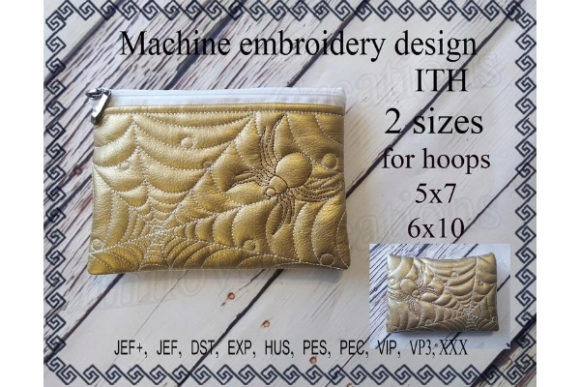
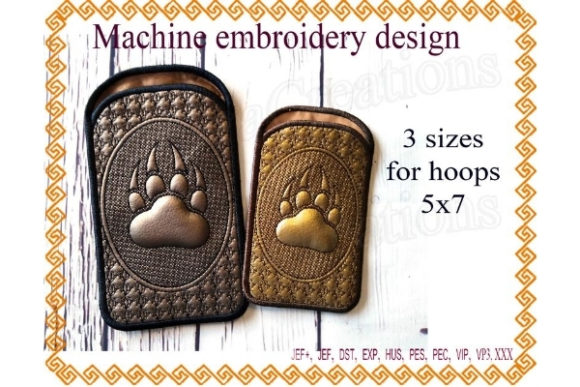
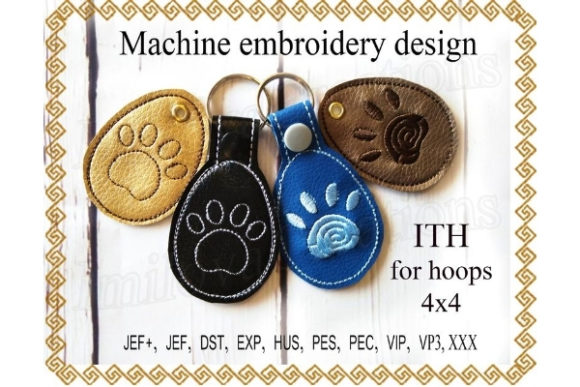
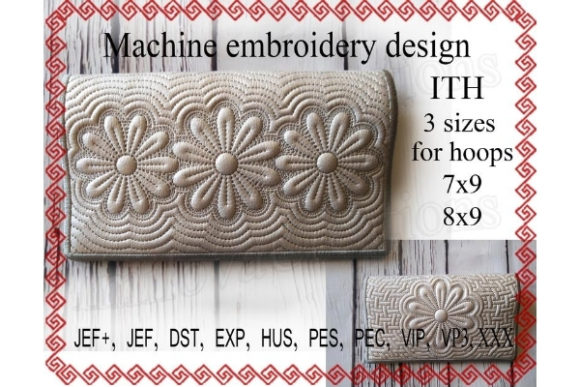
The visual mood of the Snap Tray design is clean, functional, and undeniably charming. It captures the essence of organized creativity, making it a perfect motif for those who love the process of crafting as much as the final result. The detail level appears sufficient to convey the shape and purpose of a snap tray without becoming overly complex or dense. This balance is crucial because excessive complexity can lead to stitching issues, especially on smaller items.
From a decorative standpoint, this design fits naturally into the "maker" aesthetic. It appeals to individuals who identify as creators, whether they are sewing quilts, knitting sweaters, or organizing their craft rooms. The stitching personality seems to lean towards clarity and definition, which is essential for a design that represents a specific object. For embroidery designers looking to expand their portfolio with niche, relatable motifs, this type of graphic offers a fresh alternative to standard floral or typographic patterns.
Real-World Project Applications
When evaluating a new embroidery file, I always ask myself: "Where does this belong?" The versatility of the Snap Tray design allows it to shine across various substrates. Here is how I envision using it in actual customer orders:
- Custom Apparel: Placed on the left chest of a denim jacket or a canvas apron, this design serves as a subtle badge of honor for crafters. It works well for sweatshirt embroidery where a larger, centered graphic might feel too heavy.
- Tote Bag Design: A canvas tote featuring this motif makes for an excellent gift for sewing enthusiasts. The flat surface of a tote bag provides an ideal canvas for the design’s lines and shapes.
- Embroidered Patch: This design is particularly suited for creating iron-on or sew-on patches. Patches are a high-margin item for small business owners, and a recognizable tool like a snap tray resonates with the target audience.
- Home Decor and Accessories: Imagine this stitched onto a pillow cover for a craft room nook or a kitchen towel for a maker who loves to cook and create. It adds a personalized touch that generic store-bought items lack.
For Etsy sellers and handmade shop owners, offering products with this design can help niche down your brand. It signals to buyers that you understand their hobbies and lifestyle, fostering a deeper connection than generic decor ever could.
Technical Considerations for Stitching
While the design looks promising, successful execution depends on technical precision. Before running this on a customer’s expensive garment, there are several practical factors to consider. Since the product description notes that the Creative Fabrica embroidery file comes in multiple formats, it is vital to select the correct version for your specific machine software to avoid conversion errors.
Stitch density is a critical factor. If the design uses heavy fill stitch areas, it may pucker lightweight fabrics like cotton voile or thin jersey. I recommend testing on scrap fabric first to gauge how the thread interacts with the material. For stretchy fabrics, such as those used in caps or t-shirts, a cut-away stabilizer is non-negotiable to maintain shape integrity. Conversely, for woven fabrics like canvas or denim, a tear-away stabilizer may suffice, but always check the back of the hoop for cleanliness.
Another consideration is the scale. If you plan to use this on a curved surface, like a baseball cap, ensure the design size fits within the curvature without distorting. Small details can get lost if the design is scaled down too far, so inspect the running stitch outlines carefully after a test run. If the design includes tiny lettering or intricate borders, verify that your needle size and thread weight are appropriate to prevent breakage or bird nests.
Enhancing Product Value and Brand Trust
In the competitive market of commercial embroidery, presentation is everything. Using a distinctive design like Snap Tray can elevate the perceived value of a handmade product. It moves the item from being a simple commodity to a thoughtful, curated piece. For buyers, seeing a well-executed, relevant motif builds trust in your craftsmanship. It shows attention to detail and an understanding of the recipient’s interests.
Furthermore, this design lends itself well to product photography. A crisp, clean embroidery stitch photographs beautifully, especially when contrasted against solid-colored fabrics. Whether you are creating listings for custom apparel or seasonal handmade gifts, the visual appeal of the stitched design can drive customer engagement. Consistent use of such thematic assets helps build brand consistency, making your shop recognizable and memorable.
Practical Tips for Best Results
To ensure the best outcome with the Snap Tray design, follow these professional guidelines:
- Check File Details: Always review the specific file formats and hoop sizes provided on the Creative Fabrica product page. Ensure compatibility with your machine before purchasing.
- Test on Scrap Fabric: Never stitch directly on the final product without a test run. Use similar fabric weight and type to check for puckering or registration issues.
- Thread Color Contrast: Choose thread colors that stand out against the fabric. For dark fabrics, consider using lighter threads or adding a backing to prevent the fabric color from showing through the stitches.
- Use Proper Stabilizer: Match your stabilizer to the fabric type. Incorrect stabilization is the most common cause of poor embroidery quality.
- Inspect Small Details: After stitching, examine the edges and any fine lines. Trim any loose threads and ensure the design lies flat.
- Verify Licensing: If you plan to sell finished items, confirm the license terms on the product page. Most Creative Fabrica designs allow for commercial use of finished physical products, but it is essential to be certain.
In conclusion, the Snap Tray design offers a delightful blend of utility and charm for the modern crafter. It is a versatile asset for anyone looking to add a personal touch to their Sewing projects or expand their commercial offerings. By paying attention to technical details and leveraging its visual appeal, you can create stunning, high-quality items that resonate with your audience. Whether for a personalized gift or a boutique merchandise line, this design holds significant potential for creative entrepreneurs willing to put in the care it deserves.